
← All insights
Insights · Topic
Articles on RF Engineering
Every noIM₃ article on RF Engineering, newest first. Written by engineers, for engineers.
● 26 articles Page 2 of 5
 Newest
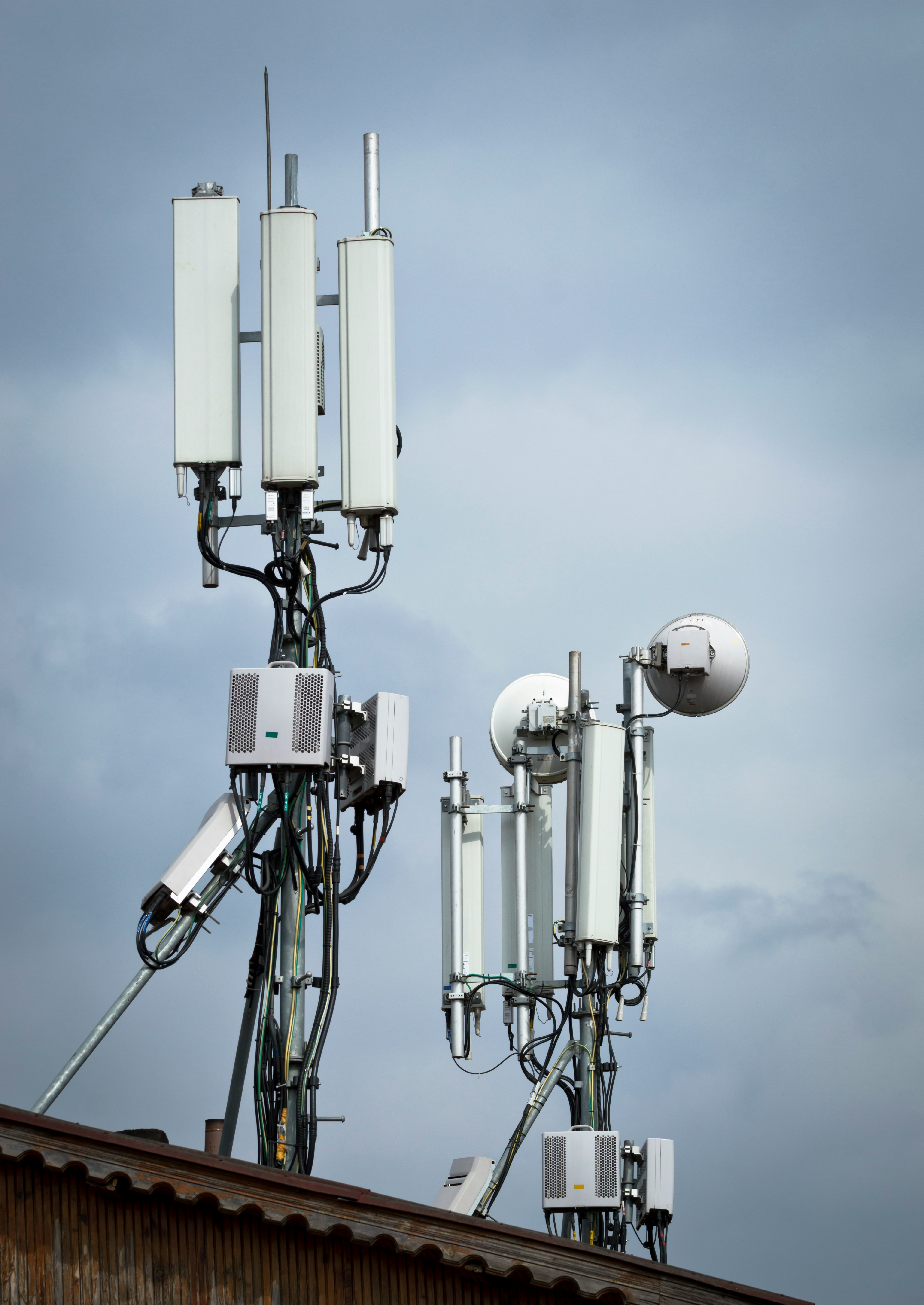
  RF Engineering What Is Intermodulation (IM3)? Third-Order Products, IP3 and How to Avoid It Intermodulation is the interference created when two or more signals mix in a non-linear device and produce new signals at the sums and differences of their frequencies. The third-order products at 2f1 minus f2 and 2f2 minus f1 fall closest to the carriers and are the usual troublemakers. This guide explains active and passive intermodulation, where the products land, the third-order intercept point IP3 and the 3 to 1 rule, a worked multi carrier example, and the filtering, isolation and frequency planning that keep IM off a site.
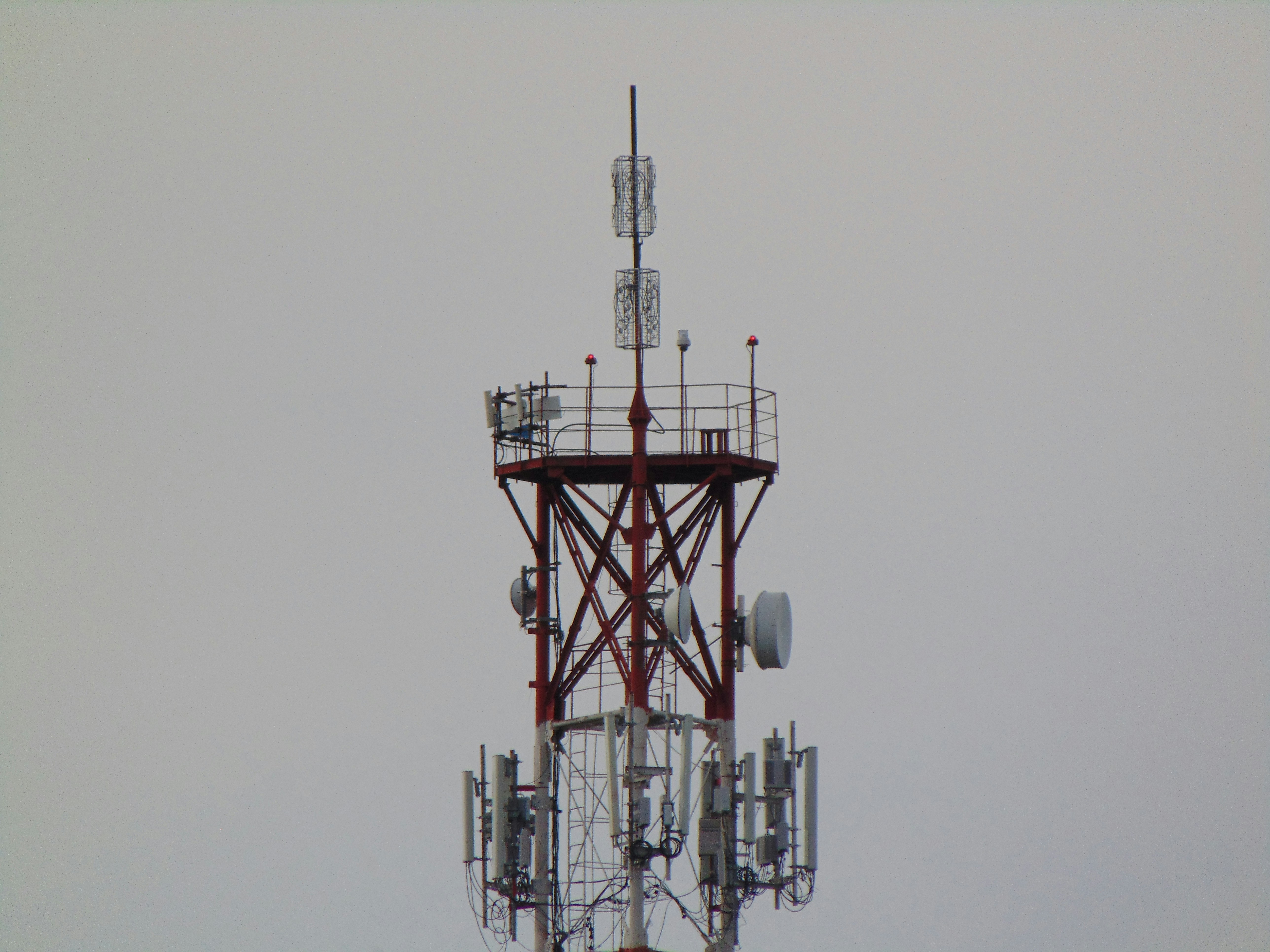
  RF Engineering What Is Erlang? How to Size Channels and Repeaters for Radio Systems One erlang is one channel kept busy for the whole hour, so traffic in erlangs is simply calls per hour times the average call length in hours. This guide explains what an erlang is, offered versus carried traffic, the busy hour, grade of service, the Erlang B formula for blocking systems, when to use Erlang C or Engset instead, a worked radio fleet example, trunking efficiency, and the N minus 1 check that keeps a critical network on air.
  RF Engineering What Is Spectral Efficiency? Shannon Capacity, QAM and Real Throughput Spectral efficiency is how many bits per second a link squeezes out of each hertz of bandwidth, and it is the number that decides how much data a scarce, licensed slice of spectrum can actually carry. This guide explains what spectral efficiency is, the Shannon-Hartley limit and a worked capacity example, how QAM turns signal to noise ratio into bits per symbol, why higher order modulation demands more SNR, how symbol rate, roll-off and coding set the real throughput, the gap between real links and the Shannon ceiling, and how adaptive modulation and MIMO push more data through the same channel.
 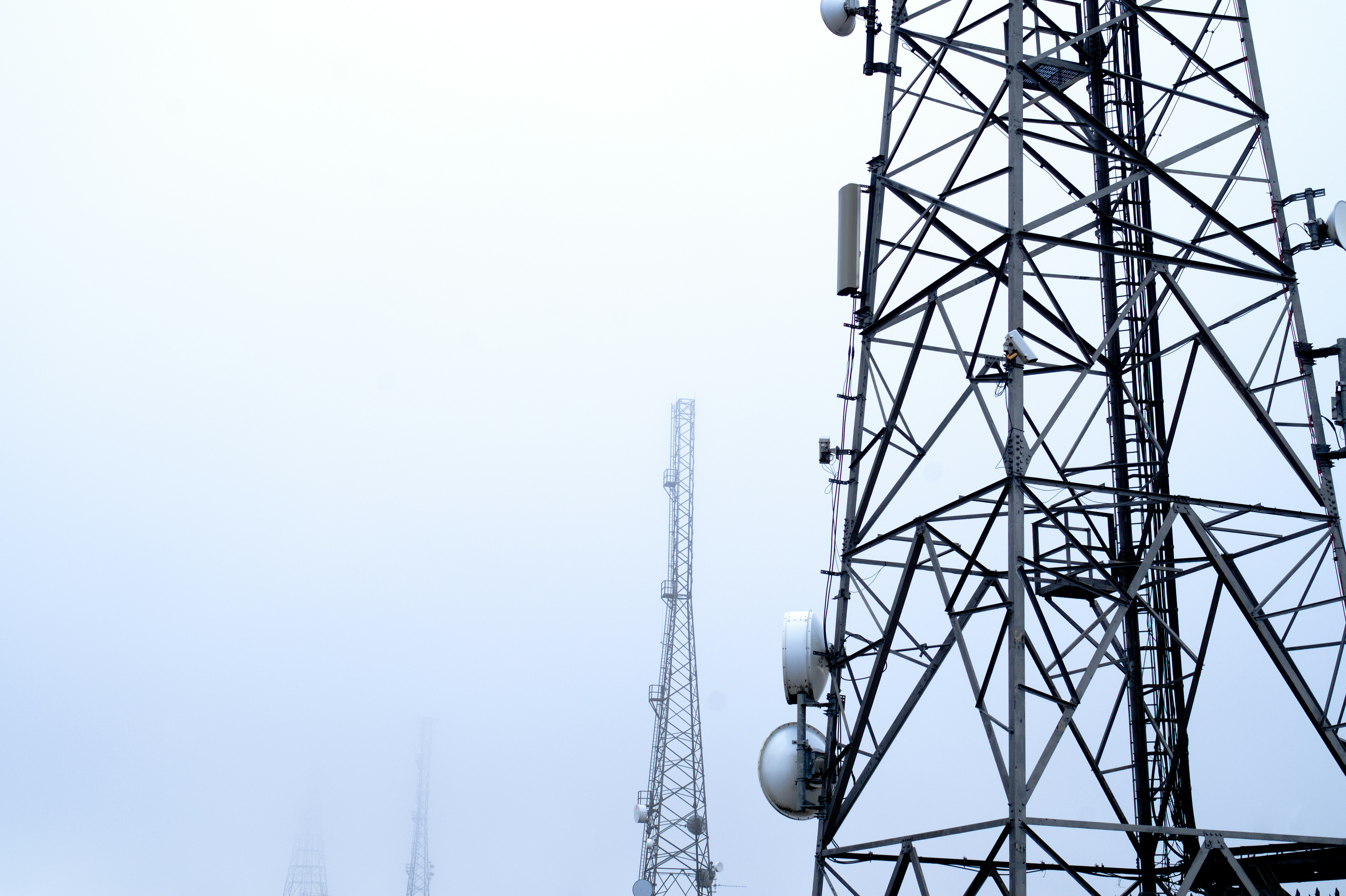 RF Engineering What Is Radio Line of Sight? Earth Curvature, K-Factor and the Radio Horizon Radio line of sight is not the same as what the eye can see, because the atmosphere bends radio waves back towards the Earth and lets a link reach past the visible horizon. This guide explains what radio line of sight really means, why the effective Earth radius and the k-factor of 4/3 model the bending, the radio horizon formula and the handy 4.12 times root height rule, a worked example for two masts, how the Earth bulge eats into mid-path clearance, why clearing the terrain is still not enough without Fresnel clearance, and how a changing k-factor can quietly break a link that looked fine on paper.
  RF Engineering What Is Rain Fade? ITU-R P.838, Rain Zones and Designing for Link Availability Rain fade is the extra path loss a radio link suffers when rain falls across it, and above roughly 10 GHz it is the single factor that decides whether a link stays up in a downpour. This guide explains what rain fade is, the ITU-R P.838 specific attenuation formula, how a rain cell is turned into a real hop loss with an effective path length, a worked 20 GHz example, how to scale the loss to a 99.9, 99.99 or 99.999 per cent availability target, what Australian rain zones mean for your fade margin, and the design levers that keep a link closed when the weather turns.
 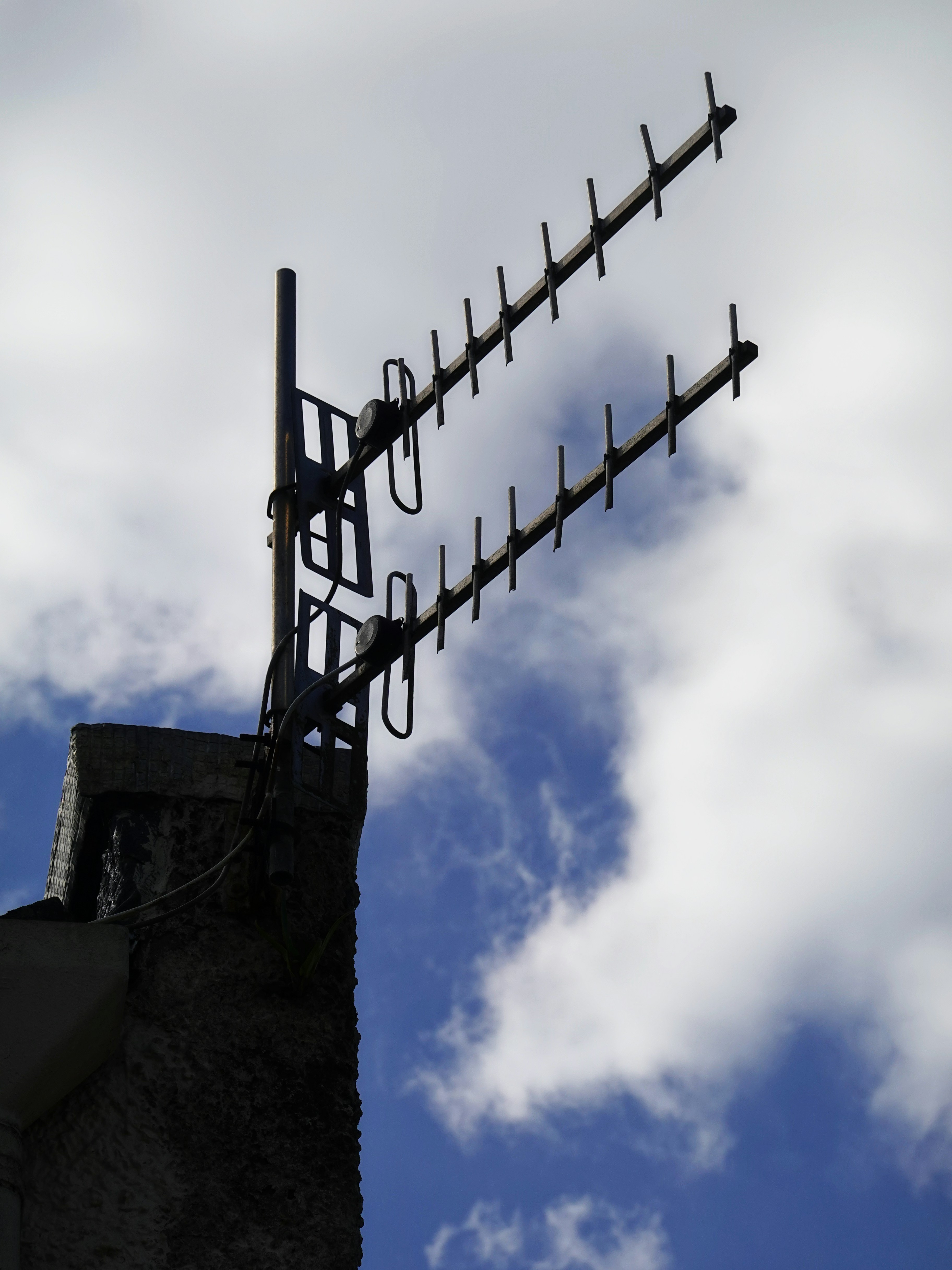 RF Engineering What Is Antenna Gain? dBi vs dBd, Beamwidth and Radiation Patterns Explained Antenna gain is the single most misunderstood number on a radio data sheet. It is not amplification, because an antenna adds no power of its own. It is focus, the measure of how tightly a passive antenna concentrates the power it is fed into one direction instead of spreading it everywhere. This guide explains what antenna gain really is, the difference between dBi and dBd and the 2.15 dB that separates them, how gain and beamwidth are two faces of the same trade, how a dish turns physical size and frequency into decibels, how to read a radiation pattern, and where gain sits in a link budget.