
← All insights
Insights · Topic
Articles on Compliance
Every noIM₃ article on Compliance, newest first. Written by engineers, for engineers.
● 9 articles Page 1 of 2
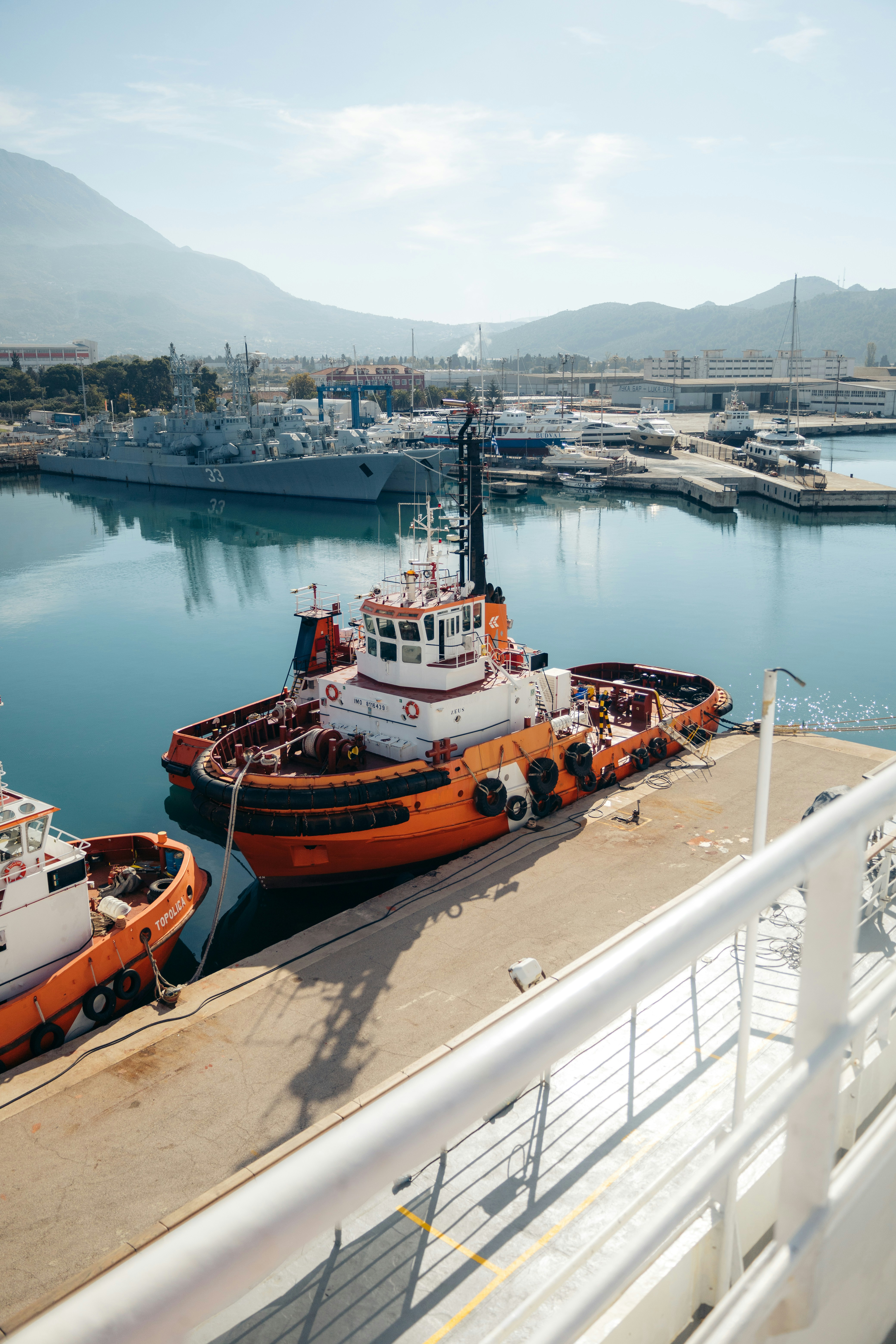 Compliance ACMA Marine Radio and AIS Requirements in Australia: Licences, Qualifications, MMSI and Carriage Rules Marine radio in Australia sits under two regulators that answer different questions. The ACMA decides whether you are allowed to transmit at all, and AMSA decides what equipment your vessel has to carry. This guide covers the maritime ship station class licence remade in 2025, when you need an apparatus licence instead, the five operator qualifications and where each one runs out, why an MMSI is compulsory the moment you use DSC or AIS along with the Australian number formats and how the number is programmed in, the exact AIS channels and power limits the ACMA permits, and who is actually required to carry AIS under SOLAS, Marine Order 27, Marine Order 63 and the National Standard for Commercial Vessels.
  Compliance How Much Does a Radio Licence Cost in Australia? What the ACMA Actually Charges A single UHF land mobile licence in a high density area carries an annual ACMA tax of $2,062, and the identical licence in a remote area carries $44. That is not a typo, and it is not a discount you apply for. This is a full breakdown of what the ACMA charges for an apparatus licence, worked from the current fee schedule: the difference between the annual tax and the one off administrative charge, why a duplex repeater is charged on two spectrum accesses, the four density areas and what they do to the rate, the five inputs that move the number for a given licence type, and the $940 that an accredited person's frequency assignment certificate saves on a two frequency licence. Includes worked examples, the calculation order that trips people up, and a short FAQ.
  Compliance How to Get a Radio Licence in Australia: Apparatus, Spectrum and Class Licences Explained Getting a radio licence in Australia comes down to one decision made early: which of the three licence types your service belongs to. This guide walks through the process step by step, from checking whether a class licence already covers you, to choosing the right apparatus licence type, to the fork between assigned and non-assigned licences that decides whether you need an accredited person, to coordinating the frequency, lodging the application, and paying the fees. It includes a decision diagram, a worked example, and an FAQ covering UHF radios, cost, licence duration and frequency choice.
  Compliance What Is an ACMA Accredited Person? Frequency Assignment Certificates and What They Can Certify An accredited person is an individual the ACMA has authorised under Part 5.4 of the Radiocommunications Act 1992 to issue certificates that support radiocommunications licensing. There are exactly two kinds of accreditation, and an accredited person does not issue your licence. This guide covers what accreditation is, the difference between a frequency assignment certificate and an interference impact certificate, the legal test a certificate has to satisfy, the obligations that sit behind the signature, and how to check that someone is genuinely accredited.
  Compliance How Far Do You Need to Stay From a Transmitting Antenna? RF Exposure Safe Distances Explained (ARPANSA RPS S-1 / ICNIRP) The safe distance from a transmitting antenna depends on its radiated power, its frequency, and whether the person is a worker or the public. Here is the ARPANSA RPS S-1 and ICNIRP formula, a 900 MHz worked example, a compliance distance chart, and the reasons a single distance is rarely the full answer.
  Compliance Is Australia Running Out of Spectrum? Why Smarter RF Processes Are Now Critical Australia’s radiofrequency spectrum is becoming increasingly congested. Learn why this matters, what is driving demand, and how smarter regulatory and engineering processes are essential for the future of connectivity.