
← All insights
Insights · Topic
Articles on Telecommunications
Every noIM₃ article on Telecommunications, newest first. Written by engineers, for engineers.
● 5 articles
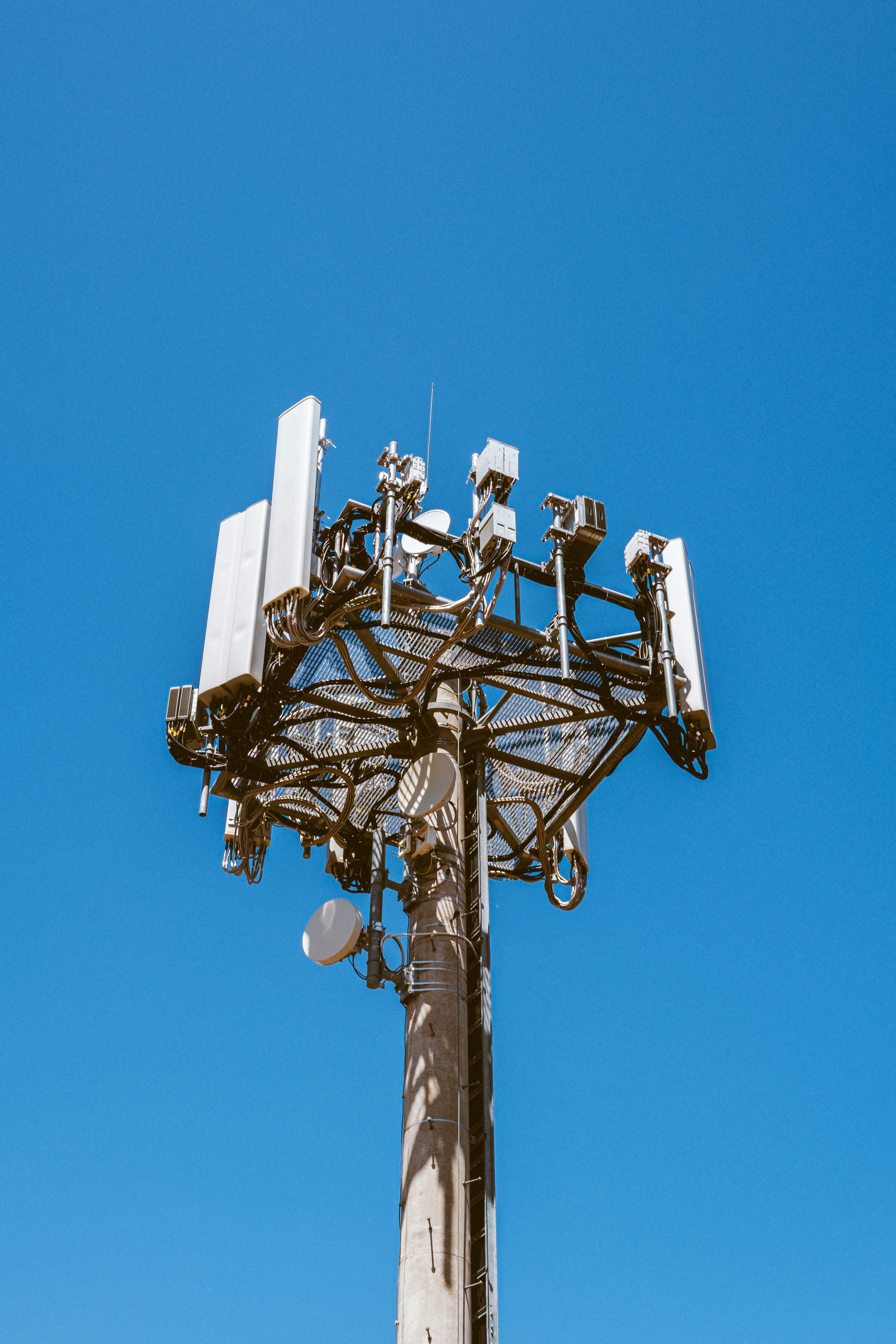 Telecommunications What Is a Good RSRP, RSRQ and SINR? 4G and 5G Signal Strength Explained By the most widely published thresholds, a good 4G signal is an RSRP of -90 dBm or better, an RSRQ of -15 dB or better and a SINR of 13 dB or better. Those thresholds come from equipment vendors rather than from 3GPP, and they hide what each number actually measures. RSRP is the power in one 15 kHz slice of the signal, so it reads about 30 dB below the total on a 20 MHz carrier. RSRQ falls as the cell gets busy even when your signal has not changed. SINR is the number that decides your speed. This guide explains all three from the 3GPP definitions, gives the tables for 4G and 5G, and shows how to check your readings on a phone or modem and what to do about a poor one.
  Telecommunications Why Is Ethernet Limited to 100 Metres? Channel, Permanent Link and the 90 Plus 10 Rule The 100 metre limit is not a property of Ethernet. It is a property of the cabling standard, and it is a loss budget rather than a distance. This guide explains the 90 metre permanent link and the 10 metres left for cords, why the channel is the thing your electronics actually sees, what really happens past the limit, why 10GBASE-T stops at 37 metres over Category 6, how heat in an Australian roof space shortens a compliant run, and the three limits almost nobody checks. Includes diagrams, the cord length equation and a short FAQ.
  Telecommunications How to Choose a Fibre Optic Cable: ADSS, Loose Tube, and Ribbon Explained A 72 fibre loose tube cable and a 72 fibre ADSS cable can carry the same glass, yet one is built to be pulled through a duct and the other to hang between poles and carry its own weight in a storm. This guide answers which cable to buy first, then explains the types of fibre optic cable, how ADSS and loose tube differ, when to choose singlemode over multimode, and how aerial span, sag and tension decide an ADSS choice. Includes a decision table, cross section diagrams and a short FAQ.
 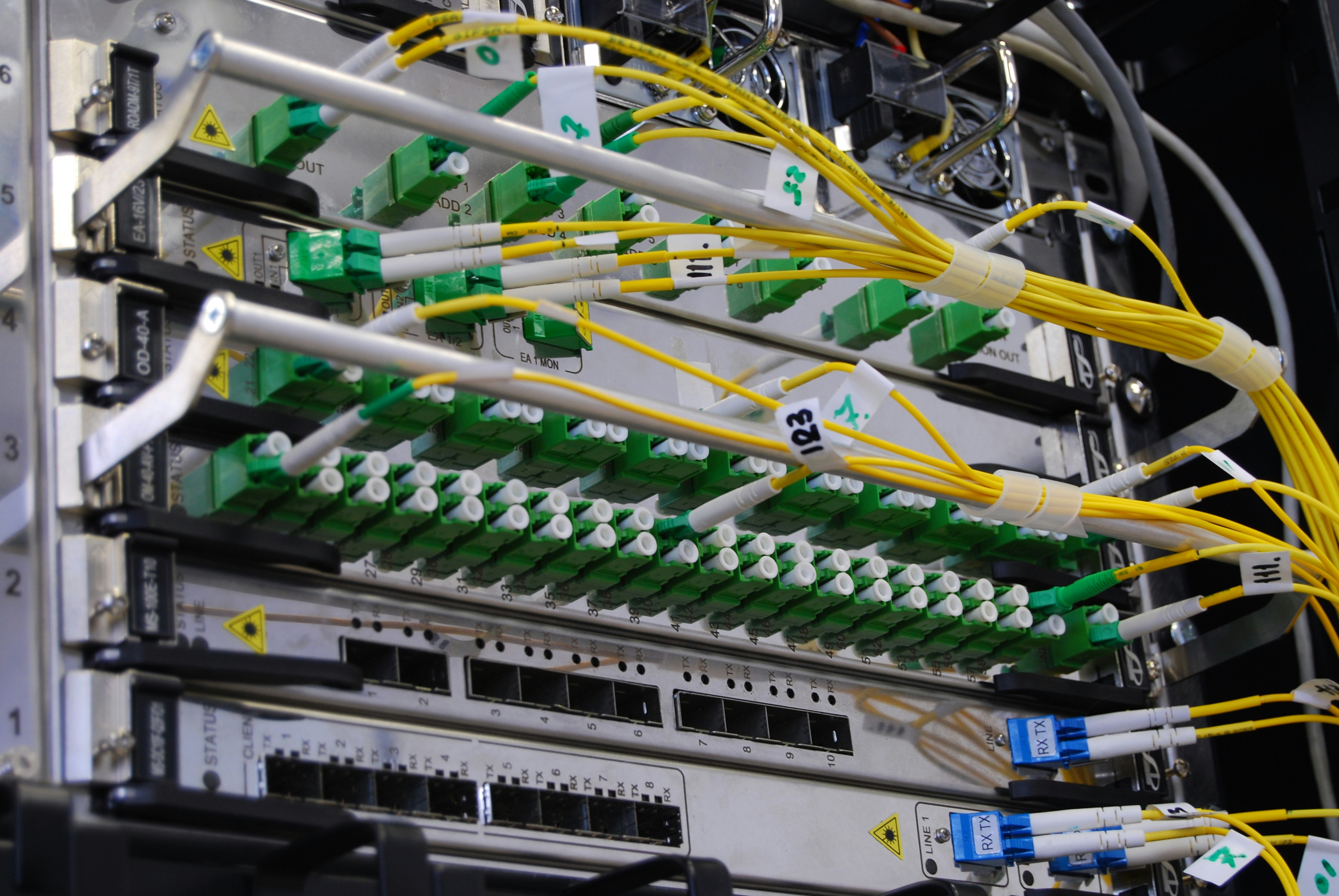 Telecommunications What Is a Fibre Optic Loss Budget? How to Calculate Optical Power and Margin A fibre optic loss budget compares the light a transmitter puts into the fibre against the light a receiver needs to see, and asks whether the losses in between leave enough margin. This guide explains optical power in dBm, fibre attenuation by wavelength, connector and splice budgets, transceiver launch power and sensitivity, a worked 12 km site link, receiver overload, PON splitter loss, how much margin to hold for repairs and ageing, and why the link that passes on paper still fails on site.
  Telecommunications The Hidden Spectrum Crisis in Regional Australia Regional Australia is facing a growing spectrum and connectivity challenge driven by sparse infrastructure, satellite dependence, and rising demand for wireless services. Here is what is really happening.